


N-(Phosphonomethyl) Glycine Monosodium Salt Herbicide Export Orchard Weed Control Non-crop Herbicide Glyphosate Sodium Manufacturer
| CAS Number | 34494-03-6 |
| Chemical Name | N-(Phosphonomethyl)glycine monosodium salt |
| Molecular Weight | 191.06 g/mol |
| Molecular Formula | C₃H₇NNaO₅P |
| Synonyms | Glyphosate sodium salt; Sodium glyphosate; N-(Phosphonomethyl)glycine sodium salt |
| EINECS | 252-036-5 |
| Appearance | White crystalline solid |
| Solubility | Soluble in water; insoluble in common organic solvents (e.g., acetone, ethanol, xylene) |
| Storage Conditions | Store in a cool, dry place; keep container tightly closed to avoid moisture |
Parameters of N-(Phosphonomethyl) Glycine Monosodium Salt
| CAS Number | 34494-03-6 |
| Chemical Name | N-(Phosphonomethyl)glycine monosodium salt |
| Molecular Weight | 191.06 g/mol |
| Molecular Formula | C₃H₇NNaO₅P |
| Synonyms | Glyphosate sodium salt; Sodium glyphosate; N-(Phosphonomethyl)glycine sodium salt |
| EINECS | 252-036-5 |
| Appearance | White crystalline solid |
| Solubility | Soluble in water; insoluble in common organic solvents (e.g., acetone, ethanol, xylene) |
| Storage Conditions | Store in a cool, dry place; keep container tightly closed to avoid moisture |
| Melting Point | Approximately 230°C (decomposes) |
| Boiling Point | Not applicable (decomposes before boiling) |
| Density | Not reported |
| Vapor Pressure | Very low; negligible at room temperature |
| Water Solubility | Approximately 10500 mg/L (10.5 g/L) at 20°C |
| LogP (octanol-water) | Approximately -3.0 (estimates, due to high polarity) |
Chemical and Physical Properties
Appearance: White crystalline solid.
Solubility: High solubility in water, reaching 10,500 mg/L (10.5 g/L) at 20°C, significantly higher than glyphosate acid itself (approximately 1.2 g/L), making it easier to formulate into aqueous solutions.
Stability: Decomposes at high temperatures, with a melting point of approximately 230°C (with accompanying decomposition). Insoluble in common organic solvents such as acetone, ethanol, and xylene.
Dissociation Characteristics: As the sodium salt form of glyphosate, the carboxyl and phosphate groups in its molecular structure dissociate in water to form negatively charged anions, enhancing its water solubility and ionic conductivity.
Mechanism of Action and Scope of Application
Weed Control Principle: It inhibits the enzyme enolpyruvylshikimate phosphate synthase (EPSPS) in plants, blocking the synthesis of aromatic amino acids (phenylalanine, tyrosine, and tryptophan), leading to metabolic disorders and plant death. Applications: Primarily used for weed control in non-arable land, orchards, woodlands, tea plantations, and other areas, it is effective against both annual and perennial weeds (such as grasses and broadleaf weeds). For example, in non-arable land, the recommended dosage is 170-250 g/mu, applied as a stem-to-leaf spray.
Activity: Its herbicidal activity is lower than that of glyphosate potassium, isopropylamine, and ammonium salts. Higher dosages or specific use conditions may be required, but the cost is relatively low.
Toxicity and Safety
Acute Toxicity: Glyphosate technical is a low-toxic pesticide, with an oral LD50 of >5000 mg/kg in rats. Its sodium salt, as a salt form, has a similar toxicity level. It is irritating to skin and eyes; direct contact should be avoided.
Environmental Impact: Its half-life in soil is approximately 16.11 days (under laboratory conditions) to 6.45 days (in the field). It is a non-persistent pesticide and does not accumulate easily. Its degradation primarily relies on microbial activity, ultimately breaking down into carbon dioxide and water. Ecological Risks: Low toxicity to aquatic organisms and relatively safe for bees, birds, and natural enemies. However, long-term, high-volume use may affect soil microbial communities.
Formulation and Usage
Common Formulations: Mainly aqueous solutions, often formulated with surfactants to enhance leaf absorption. For example, 33% ammonium glyphosate, 41% isopropylamine glyphosate, and 37% potassium glyphosate all contain 30% glyphosate. Sodium glyphosate formulations may be less commonly labeled due to their lower activity.
Precautions for Use:
Apply during the peak weed growth period to avoid drift onto sensitive crops.
Use soft water when preparing the formulation to prevent binding with calcium and magnesium ions, which may reduce efficacy.
Corrosive to metal containers; use plastic containers for storage and transportation.
Related products
-
75.7% Glyphosate Ammonium Salt WSG Formulation
-
Glyphosate Dimethylamine Salt, Herbicide Manufacturer, Agricultural Chemicals Supplier, Weed Control solution, China Glyphosate Exporter
-
30% Glyphosate Ammonium Salt AS Herbicide Formulation
-
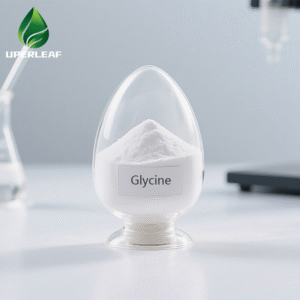
High-purity Glycine Herbicide Intermediate Key Raw Material for Glyphosate Formulation Factory Supply
Reviews
There are no reviews yet.