


98% Chlorothalonil TC
| CAS Number | 1897-45-6 |
| Chemical Name | 2,4,5,6-tetrachloroisophthalonitrile |
| Molecular Weight | 265.91 |
| Molecular Formula | C8Cl4N2 |
| Synonyms | 1,3-Benzenedicarbonitrile,Ole |
| EINECS | 217-588-1 |
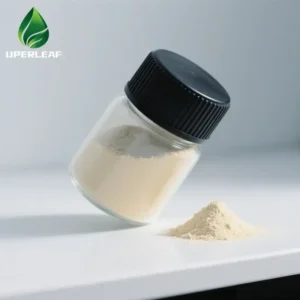
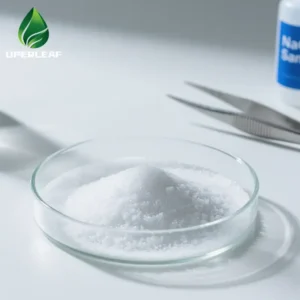
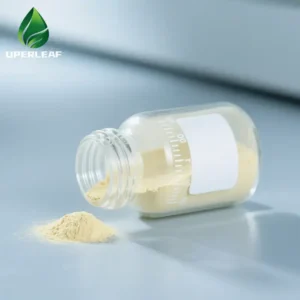
| Appearance | White to light yellow crystalline powder |
| Storage conditions | Store in a sealed, dark, cool (0-6°C) environment |
Mechanism of Action
It primarily works by inhibiting fungal cell metabolism. Its active ingredients bind to sulfhydryl-containing enzymes such as pyruvate dehydrogenase in fungal cells, disrupting their activity. This hinders fungal energy metabolism and biosynthesis, inhibiting mycelial growth and spore germination, thereby preventing the spread of disease and preventing the development of drug resistance.
Core Advantage
First, it has a broad spectrum of activity, capable of controlling a variety of fungal diseases, including downy mildew and powdery mildew, and is suitable for a wide range of crops, including vegetables and fruit trees. Second, it has a long-lasting effect, with strong adhesion to crop surfaces after application, providing protection for up to 7-10 days. Third, it has low toxicity and is highly safe for crops, humans, animals, and beneficial organisms, meeting the needs of green agriculture. Fourth, it has a low risk of drug resistance and a unique mechanism of action, making long-term use less likely to induce drug resistance in pathogens.
Use Cases
Widely used for disease control of cash and grain crops: on vegetables, it controls cucumber downy mildew and tomato early blight; on fruit trees, it controls apple leaf spot and grape downy mildew; and it can also be used for wheat powdery mildew and peanut leaf spot. It's typically applied by spray before or at the early stages of disease onset, making it suitable for a variety of planting scenarios.
Reviews
There are no reviews yet.